Handle any immediate account or safety problem first
- For an unauthorized or disputed debit, contact the bank, credit union, card issuer, or payment provider holding the account. Ask for its current dispute process and account-protection options; an agency complaint does not handle an account-level payment problem for you.
- For suspected identity misuse, secure the affected accounts and use a verified identity-theft reporting channel. Change compromised account access only through the institution's official website or app, not through a link supplied by the lender or caller.
- For credible threats, extortion, or immediate danger, use emergency or law-enforcement channels first. Save the threatening message, caller number, voicemail, and time of contact for any later complaint.
Build a complaint file before contacting an agency
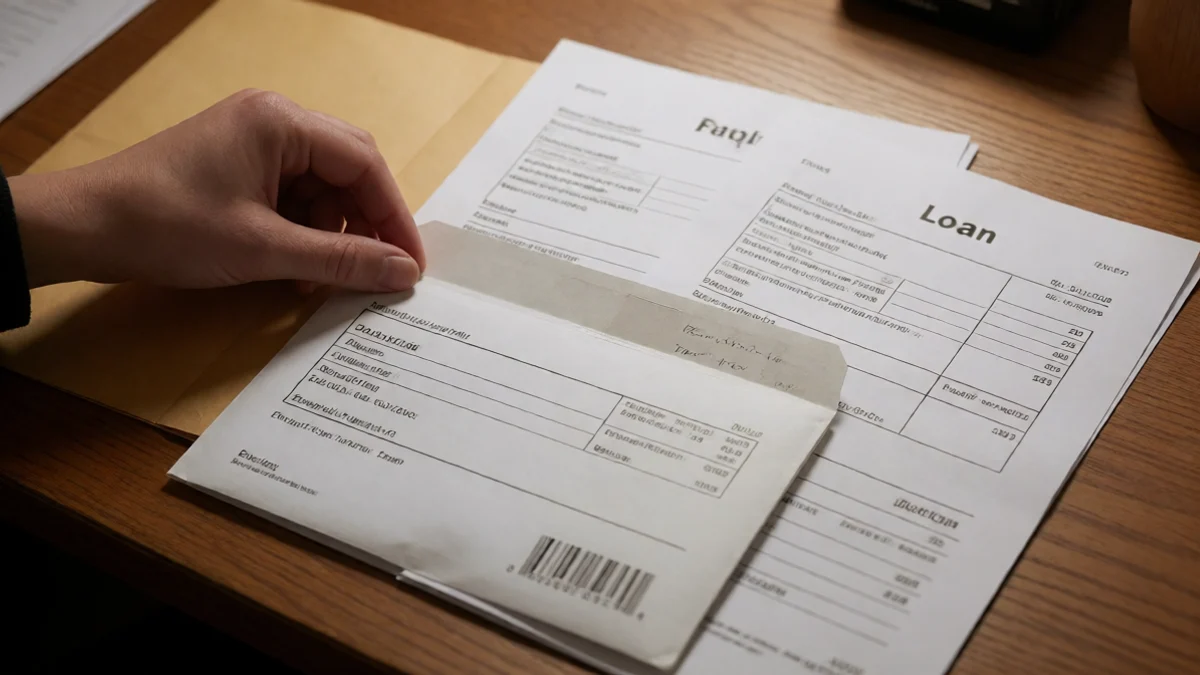
- Save the loan agreement, disclosures, payment schedule, receipts, bank or card entries, and any notices showing amounts and dates.
- Record every name used by the lender, loan owner, servicer, collector, website, mailing address, email address, phone number, and payment processor.
- Keep advertisements, screenshots, emails, texts, call logs, voicemail recordings, and messages that show what was offered, promised, demanded, or threatened.
- Write a short dated timeline: application date, funding date, each payment or debit, disputed contact, amount involved, and what happened next.
- Search NMLS Consumer Access by legal name, trade name, or NMLS ID when available. Its public records can help supply the lender's legal identity, trade names, license status, and NMLS ID for the complaint.
- Send sensitive identifiers only through the official form when the agency requests them. A complaint file needs facts, not a full copy of every identity document.
Route the complaint by conduct and lender status
- Report lender-related matters in New Mexico to the New Mexico Regulation and Licensing Department, Financial Institutions Division when the issue concerns a payday or small-loan lender within the division's regulatory scope. This is the state's financial-services regulator, not a general fraud inbox.
- Use the New Mexico Office of the Attorney General for allegations of deceptive business conduct. This route fits claims that the lender's advertising, representations, or business practices were deceptive or unfair.
- Use the Consumer Financial Protection Bureau for a payday-loan or other covered consumer-financial-product complaint. The CFPB sends submitted complaints to the company for a response, making it the stronger federal route for a problem with an identifiable loan account or lender.
- For a suspected scam lender, impersonator, advance-fee loan fraud, or fraud pattern, use the Federal Trade Commission's ReportFraud service. The report helps agencies detect patterns; it does not resolve an individual account.
- Use more than one route when the facts genuinely belong in more than one place. A lender that appears to be operating deceptively can warrant a New Mexico consumer-protection complaint, while a fake lender seeking an advance fee belongs with the FTC as well.
New Mexico Regulation and Licensing Department — official information · New Mexico Office of the Attorney General — official information · Consumer Financial Protection Bureau — official information
Submit through a verified channel and preserve the receipt
- Open the complaint form from the agency's official government domain. Do not send loan records, bank statements, or identity documents to a link delivered by an unsolicited text, email, or caller.
- State the events in date order and attach the records that prove the key points: the agreement, payment entries, communications, lender identity details, and screenshots or advertisements.
- Save a complete copy of the submitted complaint, every attachment, the confirmation page, and the tracking or case number. Record any company-response or agency-response date shown after submission.
- Answer follow-up requests under the same case reference. If the conduct also involves a separate scam, deceptive-practice, or regulated-lender issue, submit the additional report with the same timeline and supporting records.
Knowing what filing a complaint does not settle
Filing a complaint does not automatically cancel a loan, stop a scheduled debit, halt collection activity, extend a court or arbitration deadline, guarantee reimbursement, or create an attorney-client relationship. Keep the bank dispute, payment-provider action, court response, or emergency report moving on its own track while the agency complaint is pending.